Why does my toilet keep running and how to fix it
A running toilet is almost always a worn flapper or a mis-set fill valve. Here is how to diagnose it in ten minutes and fix it for good in El Paso, TX.
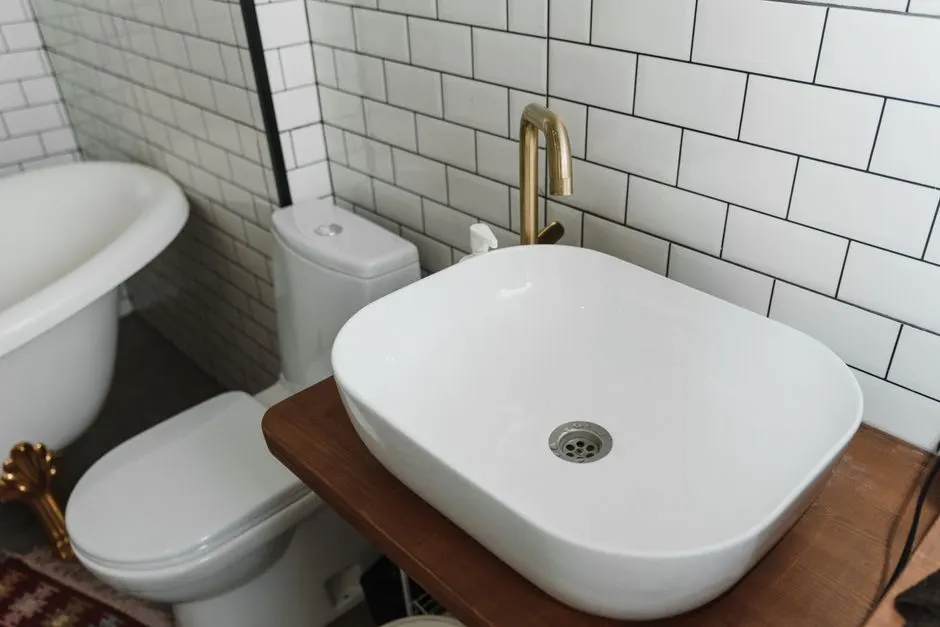
Your toilet keeps running because water is escaping the tank when it should be holding - and nine times out of ten the culprit is a worn flapper that no longer seals against the flush valve, or a fill valve that never shuts off. Fixing it is a 15 to 30 minute job with a $12 to $25 part for most El Paso homes. Below, we walk through the exact diagnosis sequence our technicians use, the two repairs that solve almost every case, and the point where a running toilet stops being a DIY job.
Why does my toilet keep running and how to fix it is really two questions: what is letting water through, and what do you do about it. We answer both in order. If you would rather hand it off, our plumbing in el paso team handles running toilets same-day across the city.
Why your toilet keeps running after you flush
A toilet runs after a flush when the tank cannot hold its water level, so the fill valve keeps adding water to replace what leaks past the seal. That is the whole mechanism. Everything else - the sound, the duration, the water bill - is a symptom of that one leak.
Inside the tank you have four working parts: the flapper (a rubber seal at the bottom), the flush valve (the opening the flapper covers), the fill valve (the tall assembly that refills the tank), and the float or float cup that tells the fill valve when to stop. Water leaves the tank through the flapper when you flush. If the flapper does not seat cleanly afterward, water trickles into the bowl continuously and the fill valve runs to keep up.
There are three failure modes we see most often in El Paso homes:
- Flapper wear. Rubber hardens and warps in our dry climate. A flapper that is 3 to 5 years old is a prime suspect.
- Mineral buildup on the flush valve seat. El Paso water carries a lot of calcium and magnesium. That scale keeps the flapper from making full contact.
- Fill valve float misadjustment or failure. The float sits too high, so the tank overfills and spills into the overflow tube - which looks identical to a flapper leak from the outside.
One more possibility worth ruling out: the chain or strap connecting the flush handle to the flapper can catch under the flapper and hold it open a fraction of an inch. That is a two-second fix, and it is the first thing we check.
How to diagnose a running toilet in ten minutes
Diagnosing a running toilet in El Paso takes about ten minutes and one dye tablet, and it tells you exactly which part to replace instead of guessing. Do these steps in order.
- Listen first. If the running stops on its own within 30 seconds of a flush, you have a slow flapper leak. If it never stops, suspect the fill valve.
- Shut off the water supply at the angle stop behind the toilet and mark the tank water level with a pencil. Wait 20 minutes. If the level drops, the flapper is leaking. If it holds, the fill valve is the problem.
- Run the dye test. Drop a dye tablet or a few drops of food coloring into the tank, wait 15 minutes without flushing, and look in the bowl. Color in the bowl means the flapper is not sealing.
- Check the overflow tube. If the water level sits above the top of the overflow tube, the fill valve is set too high and the tank is draining straight down the tube.
- Inspect the flapper by hand. Lift it and run a finger along the rubber edge and the valve seat. Grit, scale, or a wavy edge means replacement.
If the dye test is clean and the tank holds its level with the supply off, your fill valve is the failure. If the dye test shows color in the bowl, it is the flapper or the seat. That is the entire diagnosis.
How do I fix a running toilet in El Paso?
Fixing a running toilet in El Paso means replacing the failed part, not adjusting it - worn rubber and scaled valve seats do not recover. Both repairs are straightforward and both use parts you can pick up at any hardware store on the Eastside or Northeast.
Replacing the flapper
Shut off the supply, flush to empty the tank, and sponge out the remaining water. Unhook the old flapper from the overflow tube, note how the chain attaches, and take the old flapper to the store with you - flappers are not universal, and matching the brand of your toilet saves a second trip. Install the new one, reconnect the chain with about half an inch of slack, and turn the water back on. Test with a full flush and a dye tablet. This is the fix for the majority of toilet repair el paso TX calls we run.
Replacing the fill valve
Fill valve replacement is a 20-minute job. Shut off the supply, empty the tank, and disconnect the supply line at the bottom. Loosen the lock nut under the tank, lift the old valve out, and set the new one so the critical level mark sits at least one inch above the overflow tube. Reconnect, turn the water on, and adjust the float so the tank stops filling about an inch below the top of the overflow tube. If your fill valve is the old brass-and-float style, replace it with a modern anti-siphon valve - it will outlast the toilet.
Cleaning the flush valve seat
If a new flapper still leaks, the seat is scaled. Turn off the water, empty the tank, and scrub the seat with a nylon pad and white vinegar. Do not use sandpaper or a metal scraper - you will gouge the plastic and make the leak worse. If the seat is cracked or deeply pitted, the flush valve itself needs replacing, which means pulling the tank.
What a running toilet costs you on your El Paso water bill
A running toilet in El Paso typically wastes 200 to 500 gallons per day, and that shows up on your bill within one or two cycles. A flapper leak that lets water trickle continuously is the classic case: at 0.5 gallons per minute, you are losing 720 gallons a day, or roughly 21,000 gallons a month.
El Paso Water bills in tiers, and a leak like this pushes you into the higher tiers fast. Most customers we talk to see an increase of $40 to $120 on a single monthly statement once a toilet starts running. Over a year, that is a repair that pays for itself in weeks.
Two things worth knowing about El Paso specifically. First, our water is hard - 8 to 12 grains per gallon in most parts of the city - and hard water is what kills flappers and scales valve seats. Second, our summer heat and low humidity dry out rubber seals faster than in humid climates, so flappers here tend to fail in 3 to 5 years rather than the 5 to 7 you might read about elsewhere. If you are already dealing with scale-related failures, it is worth looking at a water softener installation el paso TX to protect every fixture in the house, not just the toilet.
Common mistakes that keep a toilet running
The most common mistake is replacing the flapper with the wrong size, which is why the toilet still runs after a fresh install. Flappers are matched to the flush valve opening, and a 2-inch flapper on a 3-inch valve will never seal. Bring the old part to the store.
Other mistakes we see on service calls:
- Over-tightening the chain. A chain with no slack holds the flapper slightly open. Leave about half an inch.
- Setting the fill valve too high. If the water line sits above the overflow tube, the tank drains continuously no matter how new the flapper is.
- Cleaning the seat with abrasives. Sandpaper and wire brushes scratch the plastic and create a permanent leak path.
- Ignoring a warped tank-to-bowl gasket. If water appears on the floor or the bowl level rises on its own, the problem is below the flapper, not at it.
- Replacing parts one at a time. If the flapper and fill valve are both more than five years old, replace both in one trip. The second one is already on its way out.
One more: a running toilet that stops when you jiggle the handle is not fixed. It is a flapper on its last legs, and it will start running again within a week or two.
When to call a professional
Call a professional when the tank itself is cracked, when the flush valve seat is damaged, when water is pooling at the base of the toilet, or when you have replaced the flapper and fill valve and the toilet still runs. Those four situations mean the problem is below the tank or inside the bowl, and they need a technician with the right parts on the truck.
We also get called when a toilet is 20 years or older and has started needing a repair every year. At that point, replacement usually costs less than the next two repairs. If you are weighing that decision, our team handles toilet replacement el paso and can tell you on the first visit whether a repair or a new fixture makes more sense for your home.
We see a lot of this in older Central and Sunset Heights homes, where original 1970s and 1980s fixtures are still in service and the valve seats have had decades of hard water running through them. Homes out in the Northeast and Horizon corridors tend to have newer toilets but the same hard water problem, just compressed into a shorter timeline. Either way, the fix is the same - we find the leak, replace the failed part, and test the toilet with a full flush and a dye check before we leave.
Frequently Asked Questions
Why does my toilet keep running in El Paso TX?
Almost always a worn flapper or a fill valve that will not shut off. El Paso's hard water scales the flush valve seat and dries out rubber seals faster than in humid climates, so flappers here commonly fail in 3 to 5 years. A dye test in the tank confirms which part is leaking.
How do I fix a running toilet in El Paso?
Shut off the supply, empty the tank, and replace the flapper first - it is the cause in most cases and costs $12 to $25. If the toilet still runs, replace the fill valve, a 20-minute job. Clean the flush valve seat with vinegar if a new flapper still leaks.
Does a running toilet increase my water bill in El Paso, Texas?
Yes, significantly. A continuous flapper leak wastes 200 to 500 gallons a day, which typically adds $40 to $120 to a single monthly El Paso Water statement and can push you into a higher rate tier. Repairing it usually pays for itself within one billing cycle.
How much does toilet repair cost in El Paso?
Parts run $12 to $25 for a flapper and $15 to $30 for a fill valve. Professional toilet repair in El Paso in 2026 typically runs $95 to $185 for the visit plus parts, with most running-toilet calls finishing in under an hour. Full flush valve replacement costs more because the tank comes off.
When should I replace a running toilet in El Paso TX?
Replace it when the tank is cracked, the flush valve seat is damaged beyond cleaning, or the toilet is 20 years or older and needs a repair every year. A new toilet costs $250 to $600 installed and uses 1.28 gallons per flush versus 3.5 on older models.
Get help with plumbing in el paso
If your toilet is still running after a new flapper and fill valve, or you would rather not spend your Saturday under a tank, we will take it from here. We diagnose the leak, replace the failed part, and test the toilet before we leave - same-day appointments across El Paso.
Call plumbing in el paso at +1 (915) 285-0728 and we will get your toilet quiet again.