How to prevent frozen pipes in el paso winter
El Paso's desert winter still freezes pipes. Learn how to prevent frozen pipes in El Paso winter with insulation, drip tactics, and burst pipe prevention tips.
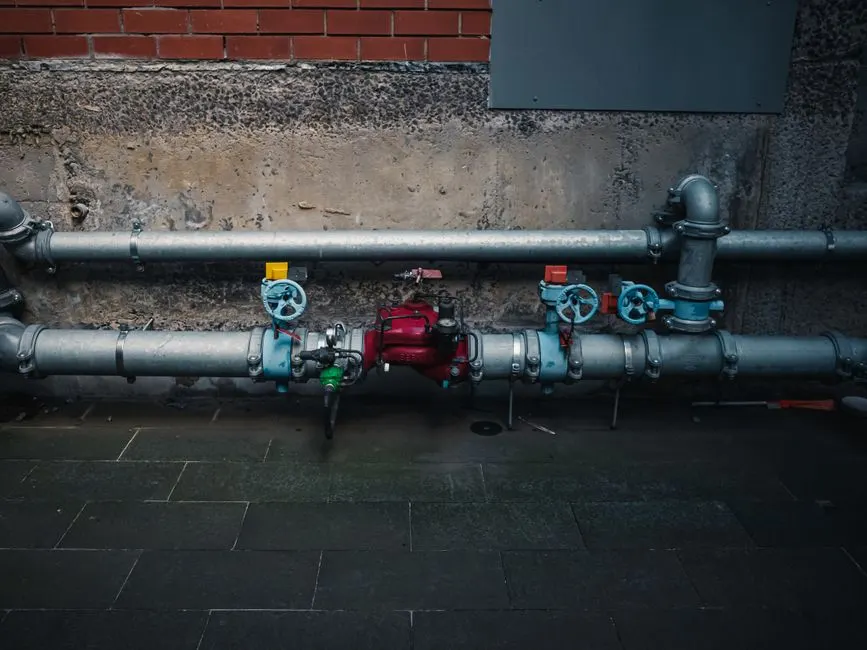
You prevent frozen pipes in El Paso winter by keeping the water moving, sealing every opening that lets cold air reach the plumbing, and insulating the pipes that run through unheated spaces. El Paso's desert climate makes this easy to forget - until a hard freeze rolls in and a pipe splits behind the drywall. This guide walks through the exact steps we use on winterization calls across the city, what temperatures actually matter, and what to do when a pipe freezes anyway.
El Paso sits at about 3,800 feet, and our winter nights routinely drop into the low 20s and teens between December and February. The ground rarely freezes deep enough to threaten buried lines, but exposed pipes in attics, garages, crawlspaces, and along exterior walls are a different story. A single 18-hour stretch below 20°F is enough to freeze a poorly insulated line.
Why El Paso Pipes Freeze Even in a Mild Winter
El Paso pipes freeze because our homes are built for heat, not cold. Most houses here have shallow attic insulation, plumbing routed through vented crawlspaces, and hose bibs that were never designed for a hard freeze. When the temperature drops below 20°F for more than a few hours, water sitting still in those lines turns to ice, expands, and cracks the copper or PEX.
We see the same pattern every January: a homeowner wakes up to no water in the kitchen, then finds a bulge in the ceiling two days later. The pipe didn't burst when it froze - it burst when it thawed and the pressure released. That delay is why burst pipe prevention in El Paso homes is about preparation, not reaction.
Three factors drive most freeze calls we run:
- Wind exposure. A 15 mph north wind pulls heat out of an exterior wall fast. Pipes on the north and west sides of a house freeze first.
- Unheated spaces. Attics, garages, and crawlspaces can sit 10-15°F colder than the living room.
- Vacancy. A house with no one home and the thermostat at 55°F will freeze pipes that would have been fine at 68°F.
If you've already got water where it shouldn't be, our leak detection el paso TX team can trace the source before it soaks your insulation.
How to Prevent Frozen Pipes in El Paso Winter: 7 Steps That Work
How to prevent frozen pipes in El Paso winter comes down to seven moves you can make in a weekend. None of them require a plumber, and together they cover the failure points we see on 90% of freeze calls.
- Disconnect every hose and shut off the hose bibs. A hose left connected traps water in the bib and the line behind it. Shut the interior valve, then open the exterior spigot to drain it.
- Insulate exposed pipes. Foam sleeves on attic and crawlspace lines cost about $2-$4 per six-foot section and take an afternoon.
- Seal gaps around penetrations. Use expanding foam or caulk where pipes pass through exterior walls, foundation sills, and attic floors.
- Let faucets drip. A pencil-thin stream on the farthest fixture from the meter keeps water moving and relieves pressure. It costs a few dollars in water for the week.
- Open cabinet doors. On nights below 25°F, open the doors under kitchen and bathroom sinks so warm air reaches the pipes.
- Keep the thermostat steady. Don't drop below 60°F overnight, even if you're away. The savings aren't worth a $1,200 repair.
- Insulate the water heater and its lines. A blanket on the tank and foam on the first six feet of hot and cold lines helps during a hard freeze.
If your pipes are already brittle from years of hard water, insulation alone won't save them. We handle pipe repair el paso TX on galvanized and copper lines that crack under freeze stress.
Pipe Insulation in El Paso, Texas: What to Use and Where
Pipe insulation in El Paso, Texas works best when you match the material to the location. Not every sleeve handles UV exposure or a 20°F night the same way.
Best Materials for Our Climate
- Closed-cell foam sleeves (½-inch wall): The workhorse for indoor attic and crawlspace lines. Rated to about 20°F when installed tight.
- Fiberglass wrap with foil backing: Better for hot water lines and areas with radiant heat. Keep it dry - wet fiberglass insulates poorly.
- Heat tape (self-regulating): Worth it on the main line coming in from the meter if it runs through an unheated space. Plug it into a GFCI outlet.
- Pipe insulation tape: Good for elbows, tees, and short runs where sleeves won't fit.
Focus first on the pipes within three feet of an exterior wall, then the main line from the meter, then anything in the attic. That order matches how cold actually moves through a house.
While you're in the crawlspace, check the shutoff valves. A valve that won't close all the way turns a small leak into a flood. Our pipe replacement el paso TX crew replaces failing valves and sections during the same visit.
What Temperature Causes Pipes to Freeze in El Paso?
What temperature causes pipes to freeze in El Paso is 20°F for exposed lines and 32°F for poorly insulated ones. The National Weather Service issues freeze warnings here when overnight lows hit 32°F, but the real danger starts at 20°F and gets serious below 15°F.
Wind changes the math. A 20°F night with a 20 mph wind can freeze a pipe that would survive 15°F on a calm night. That's why we tell homeowners to watch the wind chill, not just the air temperature.
Duration matters as much as the number. A pipe at 25°F for two hours is fine. The same pipe at 22°F for ten hours is not. Most freeze calls we run happen after the second or third consecutive night below 25°F.
What to Do If Pipes Freeze in El Paso, Texas
What to do if pipes freeze in El Paso, Texas: shut off the main water valve, open the nearest faucet, and thaw the pipe slowly with a hair dryer, heat lamp, or warm towels. Never use an open flame, and never pour boiling water on a frozen line - the thermal shock cracks copper.
Work from the faucet end back toward the frozen section. As ice melts, water and steam will escape through the open faucet. If you see no water after 30 minutes of gentle heat, the freeze is deeper in the wall and you should call us.
Watch for these signs that a pipe has already split:
- Water stains spreading on drywall or ceiling
- A hissing or dripping sound behind a wall
- The water meter spinning with every fixture off
- Reduced pressure at one fixture but not others
If any of those show up, shut the main off and call for emergency pipe repair in El Paso TX before you turn the water back on. A split pipe can dump 200+ gallons an hour into a wall cavity.
Burst Pipe Prevention in El Paso Homes: The 24-Hour Rule
Burst pipe prevention in El Paso homes follows one simple rule: if the forecast shows 24 hours below 25°F, treat it like a freeze event. That means drip the faucets, open the cabinets, and don't leave the house unheated.
We've seen the same failure pattern for years. The first cold night, nothing happens. The second night, a pipe in the attic splits. The third morning, the homeowner finds water pouring through a light fixture. The 24-hour mark is when ice expansion does its damage.
If you're leaving town during a cold snap, set the thermostat to 62°F, shut off the main water valve, and drain the lines by opening every faucet. That's the only reliable way to protect an empty house.
Homes in drain cleaning el paso TX service areas with older cast-iron or galvanized drains face a second risk: freeze-thaw cycles loosen joints and cause slow leaks that go unnoticed until spring.
Common Mistakes That Lead to Frozen Pipes in El Paso TX
Common mistakes that lead to frozen pipes in El Paso TX usually involve doing too little, too late, or the wrong thing entirely. Here's what we see most often on winter calls.
- Leaving the hose connected. The single most common cause of a split hose bib. Disconnect it in November.
- Setting the thermostat to 50°F while away. That's cold enough to freeze an exterior wall line in one night.
- Using a torch to thaw a pipe. We've repaired three house fires in the last five winters caused by open-flame thawing.
- Insulating only the hot line. Cold lines freeze first because they have no heat source. Insulate both.
- Ignoring a dripping faucet. A drip that starts after a freeze often means a split pipe upstream, not a worn washer.
- Skipping the attic. Most frozen-pipe calls we run trace back to an uninsulated attic run.
If you've made one of these mistakes and now have a leak, our leak repair el paso TX team can stop it before it spreads.
When to Call a Professional
Call a professional when you can't find the frozen section, when a pipe has already split, or when the freeze is inside a wall or slab. Those are the calls where a homeowner with a hair dryer can make things worse.
We handle winter pipe protection in El Paso as a full service - insulation, heat tape, valve replacement, and pressure testing. If you've got a line that freezes every year, we'll find out why and fix it for good. Our plumbing in el paso team runs same-day calls during freeze events, and we quote the price before we start.
Don't wait for the water to show up on the ceiling. A $150 insulation job in November beats a $2,400 drywall-and-repipe repair in January.
Frequently Asked Questions
How do I prevent frozen pipes in El Paso TX?
Disconnect hoses, insulate exposed pipes in attics and crawlspaces, seal wall penetrations, and let faucets drip on nights below 25°F. Keep the thermostat at 60°F or higher, even when you're away. These five steps prevent most freeze calls we see in El Paso.
Do pipes freeze in El Paso winter?
Yes. El Paso averages 20-30 nights below freezing each winter, and overnight lows in the teens are common in December and January. Exposed pipes in attics, garages, and exterior walls freeze regularly. Buried lines rarely freeze because our ground doesn't frost deep.
What temperature causes pipes to freeze in El Paso?
Exposed pipes freeze at 20°F, and poorly insulated lines can freeze at 32°F. Wind chill accelerates it - a 20°F night with 20 mph wind freezes pipes that would survive 15°F on a calm night. Duration matters too: 10+ hours below 25°F is the danger zone.
How to thaw frozen pipes in El Paso, Texas?
Shut off the main valve, open the nearest faucet, and apply gentle heat with a hair dryer or heat lamp, working from the faucet back toward the frozen section. Never use a torch or boiling water. If no water flows after 30 minutes, call us - the freeze is inside the wall.
Who to call for frozen pipes in El Paso?
Call a licensed El Paso plumber if you can't locate the freeze, if a pipe has split, or if water is showing on walls or ceilings. We run emergency freeze calls across the city and can usually be on-site the same day during a cold snap.
Get Help with Plumbing in El Paso
If a pipe has already frozen or you want your home winterized before the next cold front, we're ready to help. Our team handles insulation, heat tape, pipe repair, and full winterization across El Paso.
Call +1 (915) 285-0728 and we'll get your water flowing and your pipes protected.